Understanding the psychology behind gambling why do we take risks
The Allure of Risk and Reward
The concept of taking risks is deeply embedded in human nature, and gambling serves as a prime example of this phenomenon. Many individuals are drawn to the thrill of uncertainty, where the potential for significant rewards often overshadows the possibility of loss. This psychological pull can create a powerful cycle, as the excitement and anticipation that accompany gambling can evoke feelings of euphoria, making it difficult to resist. Moreover, the lure of monetary gain can be extraordinarily enticing, and this is where the appeal of a real money online casino becomes evident. The very act of placing a bet becomes an adrenaline-fueled experience, appealing to our innate desire for excitement.

Additionally, the lure of monetary gain can be extraordinarily enticing. This financial incentive can compel individuals to participate in gambling activities, often leading them to ignore the odds stacked against them. The psychological concept known as “loss aversion” plays a significant role in this behavior; people tend to feel the pain of losing more acutely than the pleasure of winning. This dynamic can lead to chasing losses, where individuals gamble not just for fun, but also to mitigate the emotional distress caused by previous losses.
The Role of Cognitive Biases
Cognitive biases significantly influence gambling behavior, often leading individuals to make irrational decisions. One common bias is the “gambler’s fallacy,” which is the belief that future probabilities are altered by past events. For example, someone might assume that after a series of losses, a win is “due.” This misperception can lead to extended gambling sessions, as individuals try to outsmart the odds, convinced that they can turn their luck around.
Another prevalent cognitive distortion is overconfidence. Many gamblers believe they possess skills or strategies that can outperform randomness, even in games of chance. This overestimation of one’s abilities can result in excessive risk-taking, as individuals place larger bets in hopes of achieving a big win. This combination of biases can create a dangerous mindset, perpetuating the cycle of gambling despite evidence of its unfavorable odds.
Social Influences and Peer Pressure
Social dynamics also play a critical role in gambling behavior. People are often influenced by friends, family, or social circles that promote gambling as a form of entertainment. The normalization of gambling in various settings, such as during social gatherings or sporting events, can make individuals more inclined to engage in risky behaviors. This collective enthusiasm can amplify the excitement surrounding gambling, reinforcing the idea that it’s a socially acceptable form of risk-taking.
Additionally, the advent of online gambling has made it more accessible than ever, blurring the lines between social interaction and gambling. Many online platforms incorporate social features, allowing players to connect and compete against each other. This sense of community can further encourage gambling behavior, as individuals may feel pressured to participate to fit in or prove their worth within their social group.
Emotional Regulation Through Gambling
For some individuals, gambling serves as a coping mechanism for emotional regulation. The thrill and distraction provided by gambling can temporarily alleviate feelings of anxiety, depression, or boredom. The excitement associated with placing a bet can act as a form of escapism, allowing individuals to forget their worries and immerse themselves in a world of possibility.
However, this reliance on gambling as a means of emotional relief can lead to problematic behavior. When gambling becomes a primary source of stress relief, it may evolve into a harmful addiction. The initial rush can become increasingly elusive, prompting individuals to gamble more frequently or at higher stakes in search of that same emotional high, thus escalating the risk of significant financial and personal consequences.
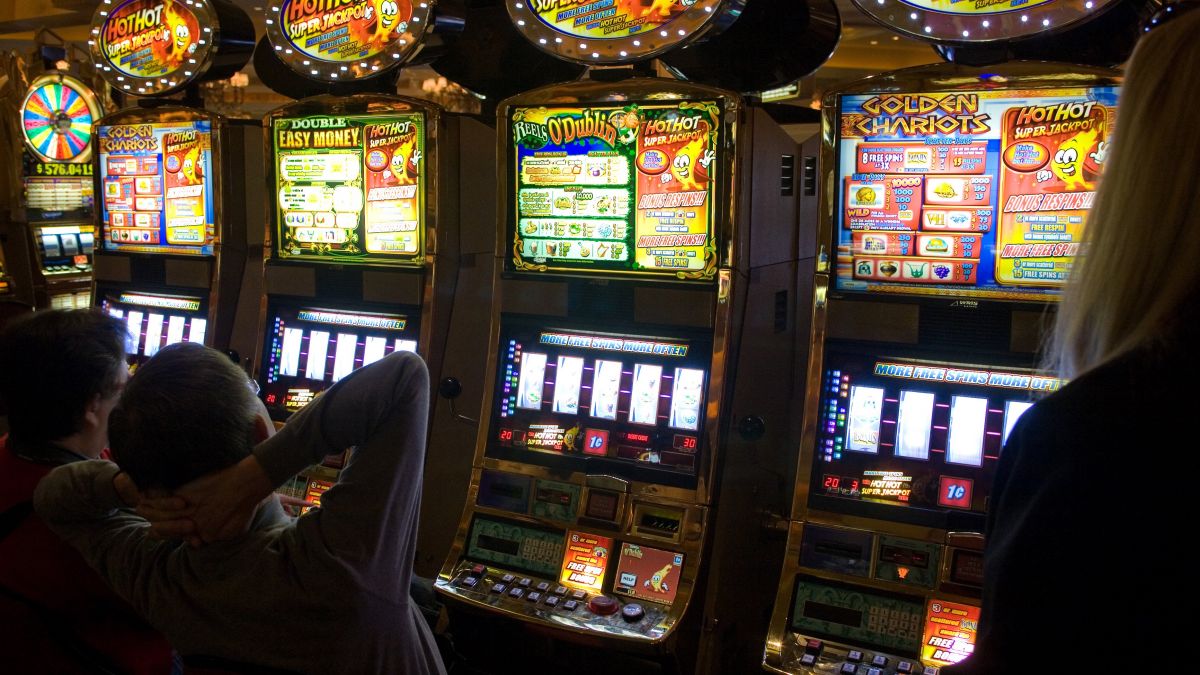
Conclusion: Ensuring Safe Gambling Practices
This website serves as a valuable resource for understanding the complexities of gambling and its psychological underpinnings. It emphasizes the importance of responsible gambling practices and offers insights into recognizing harmful behaviors. By educating users about the psychological factors that drive gambling, the website aims to foster safer gambling environments, whether online or in land-based casinos.
Moreover, by providing tools and information on how to engage with gambling responsibly, the site helps individuals make informed decisions. Recognizing the potential risks associated with gambling can empower users to approach it as a form of entertainment rather than a means of escaping life’s challenges.